- Feb 16
Your Brain on Caffeine: The Neurophysiology Behind the Buzz
- Fatima Aziz & Faisal Jahangiri
- neurophysiology, Blogs
- 2 comments
Caffeine is the most widely consumed psychoactive substance in the world, commonly found in coffee, tea, energy drinks, and various soft drinks. Because of its widespread use, caffeine has been extensively studied for its effects on the human nervous system. Its primary influence occurs in the brain, where it alters neural signaling, neurotransmitter release, and overall alertness levels (Rauf et al.). While caffeine is often used to combat fatigue and improve concentration, its effects are complex and involve multiple brain systems.
What Is Caffeine?
Caffeine is a potent central nervous system stimulant classified as a methylxanthine. Methylxanthines are a group of chemical compounds characterized as methylated derivatives of xanthine, which is a purine base naturally occurring both in the human body and various plants (Franco et al.). Upon ingestion, caffeine is rapidly absorbed into the bloodstream and readily crosses the blood-brain barrier. This unique ability allows caffeine to exert its effects directly on neural activity, influencing mood, alertness, and cognitive function. Typically, caffeine reaches its peak concentration in the bloodstream approximately 30 to 60 minutes after consumption; however, this timeline can vary significantly based on individual metabolic rates and genetic predispositions.
Stimulatory Effects of Caffeine on the Brain
Caffeine primarily affects the brain by interfering with inhibitory signaling. Instead of increasing energy production, it changes how neurons communicate, resulting in heightened alertness and wakefulness.
Adenosine and Fatigue
Adenosine is a neuromodulator that plays a vital role in promoting sleep and regulating arousal. As the brain uses energy throughout the day, adenosine gradually accumulates. When it binds to its receptors, particularly the A₁ and A₂A receptors, it suppresses neuronal firing, leading to feelings of fatigue and drowsiness (Daly et al.).
Caffeine acts as a competitive antagonist at adenosine receptors. By binding to these receptors without activating them, caffeine prevents adenosine from exerting its inhibitory effects. This results in increased neuronal firing and a reduced perception of tiredness (Daly et al.). However, caffeine does not eliminate adenosine from the brain; it simply delays its effects. This delay can lead to fatigue as caffeine levels decline (Rauf et al.).
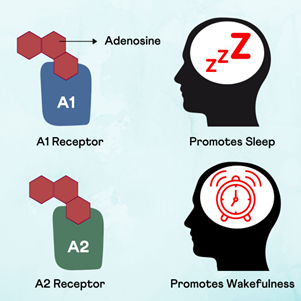
Figure 1. When adenosine binds to the A1 receptor, it reduces neuronal activity. When it binds to A2A receptors, it increases their activity (Watson).
Dopamine and Mood Changes
Caffeine plays a significant role in enhancing dopamine signaling in brain regions linked to motivation and reward, especially the prefrontal cortex. This modulation contributes to a noticeable uplift in mood and motivation, although the dopamine release triggered by caffeine is far less intense than that induced by addictive substances. According to the Food and Nutrition Board, this characteristic makes caffeine a more benign option for boosting emotional well-being without the risk of dependency.
Norepinephrine and Alertness
Consuming caffeine leads to a heightened release of norepinephrine, a key neurotransmitter that helps sustain attention and enhance vigilance. Research by Daly et al. indicates that elevated norepinephrine levels are associated with improved reaction times and heightened focus, enabling individuals to respond more swiftly and effectively to environmental stimuli.
Other Brain Chemicals
In addition to its effects on dopamine and norepinephrine, caffeine also influences other important brain chemicals, including acetylcholine and glutamate. Both neurotransmitters are crucial for learning, memory formation, and excitatory signaling within the brain, as highlighted by Rauf et al. The increase in activity within these neurotransmitter systems not only enhances cognitive performance but can also lead to greater neural excitability, further amplifying the brain's capacity to process information and respond to challenges.
Caffeine enhances overall brain activity by reducing inhibitory signaling and increasing excitatory neurotransmission. Studies using electroencephalography (EEG) have shown that caffeine decreases slow-wave activity associated with drowsiness and increases beta-wave activity linked to alertness and concentration.
Moderate caffeine consumption has been shown to improve attention, reaction time, and short-term memory, particularly in individuals who are sleep deprived. These effects make caffeine particularly beneficial for tasks that require sustained attention (Reichert et al.).
Adverse Neurophysiological Effects of Excessive Caffeine
Despite its advantages, caffeine does not consistently enhance complex reasoning or creativity. High doses may impair working memory and fine motor skills due to excessive stimulation of the nervous system.
Fight-or-Flight Response
Caffeine stimulates the sympathetic nervous system, triggering a mild fight-or-flight response. This response results in an increased heart rate, elevated blood pressure, and heightened levels of stress hormones such as cortisol and adrenaline. While this reaction can provide a temporary boost, it may also lead to negative effects if caffeine is consumed in excess. Enhancing alertness and chronic overstimulation may contribute to anxiety and restlessness.
Tolerance and Brain Adaptation
Regular caffeine consumption leads the brain to adapt by increasing the number of adenosine receptors. This adaptation reduces the effectiveness of caffeine over time, leading to tolerance. Consequently, individuals often find they need to consume more to achieve the same level of alertness they once experienced.
Caffeine Withdrawal
When caffeine intake is abruptly reduced, adenosine binds to its receptors more strongly, leading to withdrawal symptoms such as headaches, fatigue, irritability, and difficulty concentrating. These symptoms signal a temporary imbalance in the brain after extended caffeine use. Additionally, caffeine can heighten anxiety and increase neural excitability in certain individuals. (Rauf et al.).
Caffeine and Sleep
The Impact of Caffeine on Sleep Quality
Caffeine significantly delays the onset of sleep, reduces total sleep duration, and diminishes slow-wave sleep, which is crucial for both physical and cognitive recovery (Reichert et al.).
Caffeine and Circadian Rhythms
With a half-life of approximately five to seven hours, consuming caffeine later in the day undeniably disrupts circadian rhythms, even if individuals don’t perceive themselves as alert at bedtime.
Why Caffeine Affects People Differently
Genetics and Metabolism
The impact of caffeine can vary significantly from person to person, primarily due to genetic variations that influence how the body processes this widely consumed stimulant. A key player in this process is the CYP1A2 enzyme, which metabolizes caffeine in the liver. Those with genetic variants that result in slower enzyme activity, known as slow metabolizers, tend to experience caffeine's effects for longer, making them more prone to side effects such as jitteriness, increased heart rate, and anxiety. Conversely, fast metabolizers, who have a more efficient version of the enzyme, break down caffeine quickly, often allowing them to enjoy its stimulating benefits without enduring prolonged side effects. This genetic diversity explains why some individuals can sip coffee late into the evening without disrupting their sleep, while others may feel wired for hours after just one cup.
Conclusion
Caffeine's powerful neurophysiological effects stem from its ability to block adenosine receptors, resulting in heightened neural activity and improved alertness. When consumed in moderation, caffeine is a proven enhancer of focus, mood, and cognitive performance. However, excessive intake or poor timing can lead to sleep disruption and increased anxiety. By understanding the mechanisms behind caffeine's impact on the brain, individuals can harness its benefits more effectively and responsibly.
References
Board, Food and Nutrition. “Caffeine Effects on the Central Nervous System and Behavioral Effects Associated With Caffeine Consumption.” Caffeine in Food and Dietary Supplements: Examining Safety - NCBI Bookshelf, 23 Apr. 2014, www.ncbi.nlm.nih.gov/books/NBK202225.
Daly, John W., et al. The Role of Adenosine Receptors in the Central Action of Caffeine. 1994, pmc.ncbi.nlm.nih.gov/articles/PMC4373791.
Franco, Rafael, et al. “Health Benefits of Methylxanthines in Cacao and Chocolate.” Nutrients, vol. 5, no. 10, Oct. 2013, pp. 4159–73. https://doi.org/10.3390/nu5104159.
Rauf, Mohammed Qasim, et al. “Caffeine Consumption Patterns, Health Impacts, and Media Influence: A Narrative Review.” Cureus, vol. 17, no. 6, June 2025, p. e86215. https://doi.org/10.7759/cureus.86215.
Reichert, Carolin Franziska, et al. “Adenosine, Caffeine, and Sleep–wake Regulation: State of the Science and Perspectives.” pmc.ncbi.nlm.nih.gov, May 2022, https://doi.org/10.1111/jsr.13597.
Watson, Bill. “Caffeine and Sleep: How Are They Genetically Linked?” Xcode Life, 29 July 2021, www.xcode.life/genes-and-sleep/caffeine-and-sleep-genetically-linked
