- Dec 17, 2024
Fuel or Fatigue: The Implications of Energy Drink Consumption on Sleep Regulation
- Yasmeen Alsaid & Faisal Jahangiri
- 0 comments
Introduction
Over 92% of university students consume caffeine, primarily through coffee, energy drinks, or other sources (Mwape & Mulenga, 2019). On average, students ingest 173 mg of caffeine daily from coffee alone, with energy drinks potentially adding 100 mg or more per can. While these amounts may not seem concerning in isolation, caffeine is most beneficial when consumed intermittently throughout the day - a consumption habit not often prioritized by most lifestyle choices. Falling into this rabbit hole of poor habits and overconsumption will misalign the body's homeostasis in many ways - a snowball effect of short and long-term harm. Energy drinks have become so prominent in the high-paced, intense lifestyles more common in young adulthood. More often, the issue arises as energy drinks are consumed as a source of enhanced energy and alertness at inappropriate times, and the long-term effects on sleep regulation and overall health are concerning. This blog explores the multifaceted effects of energy drink consumption, emphasizing its adverse implications on sleep and health outcomes.
Energy Drinks’ Effect on Sleep Health
Energy drinks are marketed as convenient, tasty, and even healthy sources of energy, focus, and alertness - characteristics that appeal especially to overzealous, highly motivated adolescents, students, and professionals. These beverages often contain high levels of caffeine, sugar, and other stimulants like taurine and guarana. Combining these ingredients has synergistic effects that amplify caffeine’s impact on the body, often marketed as “accelerating metabolism” with thermogenic properties (CELCIUS, 2024). The frequent and excessive intake of these stimulants disrupts natural physiological processes, particularly sleep regulation, leading to cascading health issues over time (CDC, 2012). Energy drinks interfere with sleep drive and circadian rhythm, the body’s internal clock that regulates sleep-wake cycles. High levels of caffeine disrupt the natural sleep-wake cycle, reducing total sleep duration and quality. Studies described by Hershner and Chervin show that “the consumption of energy drinks increases sleep latency, and the effects of energy drinks can persist for up to 8 hours and can lead to somnolence” (Hershner & Chervin, 2014). Other research shows that caffeine consumption, especially in the evening, reduces deep sleep stages, ultimately impairing restorative processes crucial for cognitive and physical health (Drake et al., 2013).
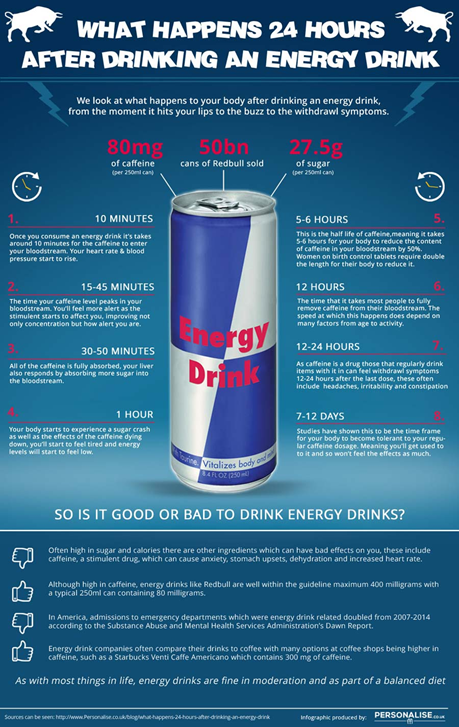
Figure 1. Informational Infographic of the impacts and health effects of a popular energy drink - RedBull - on a consumer (Whiteman, 2015).
The mechanism of this harmful impact lies in the way high caffeine doses block adenosine receptors, suppressing the sensation of fatigue and delaying sleep onset. While this is useful when caffeine is taken, the brain cannot shut itself off quickly when it is time to sleep. This high dosage can reduce total sleep time and impair deep sleep stages crucial for recovery and memory consolidation (Paprocki, 2022). This disruption is linked to heightened anxiety, poor cognitive function, and an increased risk of cardiovascular diseases (Sampson, 2023).
Many studies highlight the detrimental impact of energy drink consumption on sleep. For example, UCLA Health’s 2023 study on mice demonstrated how chronic caffeine consumption restructured brain circuitry associated with sleep and wakefulness (Sampson, 2023). Similarly, a CDC (2012) report revealed that adolescents consuming energy drinks experienced significantly higher rates of sleep disturbances than their peers. Imagine a university student juggling a demanding class load, work between classes, and social commitments. With energy drinks so easily accessible, they seem to be the best solution for late-night study sessions. However, poor sleep quality could impair memory consolidation and academic performance, the opposite of a desirable effect - and a cycle of sleeplessness, exhaustion, burnout, and failure. Adolescents who frequently consume these beverages report significantly reduced sleep quality, interfering with academic performance, emotional regulation, and overall development (Mwape & Mulenga, 2019). Over time, the reliance on these stimulants could lead to chronic sleep deprivation and a cycle of dependency. This compounded deficit of sleep will lead to delayed sleep onset, fragmented sleep, daytime fatigue, and build to become insomnia, poor sleep quality, and other chronic sleep and health disorders, all from a young age.
Apart from the impact on sleep, on a general health level, the added sugar content in these beverages intensifies metabolic health issues such as insulin resistance and obesity (Mwape & Mulenga, 2019). With the high sugar content and long-term excessive intake combined, these effects contribute to a higher likelihood of developing chronic conditions like type 2 diabetes, hypertension, gastrointestinal disturbances, and metabolic imbalances due to the high sugar content in many energy drinks (Jahangiri FR, 2024; Grandner et al., 2014). Additionally, cognitive impairments such as reduced memory consolidation and heightened anxiety have been observed among frequent users, exacerbating health challenges (Jahangiri FR, 2024; Mwape & Mulenga, 2019).
Nuance
While caffeine can be toxic at higher dosages in moderate amounts, it can also have well-documented benefits. It can enhance cognitive performance, improve reaction times, and increase alertness (Paprocki, 2022). Studies suggest that low to moderate caffeine consumption may even reduce the risk of neurodegenerative diseases like Alzheimer’s and Parkinson’s (Mwape & Mulenga, 2019). Caffeine can provide short-term cognitive and physical benefits, but its effects vary depending on individual tolerance, genetics, and overall health (Drake et al., 2013). Specifically, when consumed in a distributed pattern throughout the day rather than concentrated, caffeine doses below this threshold may help balance its benefits and risks (Paprocki, 2022). Individuals can prioritize immediate performance and long-term well-being by understanding these risks and adopting healthier habits.
Conclusion
These findings underscore the need for better consumer awareness and stricter regulations around marketing and accessibility of products deemed and advertised as ‘healthy.’ After large discussions of the vast effects of energy drink consumption, with the potential for both beneficial and adverse implications on sleep and health outcomes, the best perspective is moderating consumption and pairing it with healthy lifestyle habits. In this way, individuals can benefit from caffeine without jeopardizing their sleep and health in the long term.
References
Drake, C., Roehrs, T., Shambroom, J., & Roth, T. (2013). Caffeine Effects on Sleep Taken 0, 3, or 6 Hours before Going to Bed. Journal of Clinical Sleep Medicine, 09(11), 1195–1200. https://doi.org/10.5664/jcsm.3170
Energy Drink Consumption and Its Association with Sleep Problems Among U.S. Service Members on a Combat Deployment — Afghanistan, 2010. (2012, November 9). https://www.cdc.gov/mmwr/preview/mmwrhtml/mm6144a3.htm
Grandner, M. A., Knutson, K. L., Troxel, W., Hale, L., Jean-Louis, G., & Miller, K. E. (2014). Implications of sleep and energy drink use for health disparities. Nutrition Reviews, 72, 14–22. https://doi.org/10.1111/nure.12137
Hershner, S. D., & Chervin, R. D. (2014). Causes and consequences of sleepiness among college students. Nature and Science of Sleep, 73. https://doi.org/10.2147/nss.s62907
Jahangiri, F.R. (2024). Sleep and Sleep Disorders. Class notes. The University of Texas at Dallas, Richardson, Texas.
Mwape, R. K., & Mulenga, D. (2019). Consumption of Energy Drinks and Their Effects on Sleep Quality among Students at the Copperbelt University School of Medicine in Zambia. Sleep Disorders, 2019, 1–7. https://doi.org/10.1155/2019/3434507
Paprocki, J. (2022, October 6). Sleep and caffeine. Sleep Education. https://sleepeducation.org/sleep-caffeine/
Sampson, D. (2023, September 25). Study in mice shows how chronic caffeine consumption alters sleep pattern and blood flow. UCLA Health. https://www.uclahealth.org/news/release/study-mice-shows-how-chronic-caffeine-consumption-alters
The Science - CELSIUS. (2024, July 24). CELSIUS. https://www.celsius.com/the-science/
Whiteman, H. (2015, August 15). How energy drinks affect your body within 24 hours. Medical News Today. https://www.medicalnewstoday.com/articles/298202#Sugar-crashes-energy-slumps-and-caffeine-withdrawal